 University of Kentucky®




Hear what past participants of the UK Online Course Quality Design program have to say about their experience.

Guoying Bing - ANA 209: Principles of Human Anatomy
The Course Quality (CQ) Design Pilot has enabled us to redesign and enhance our course through the implementation of effective design strategies. We have improved the course syllabus and incorporated low-level transparency enhancements that help students understand how to get started and where to find various course components. This pilot has prepared us to meet the required standards and expectations of online teaching and learning, allowing us to effectively implement these strategies in pursuit of our educational goals. This pilot experience has proven to be mutually beneficial as even in the in-class sections, we utilize many online activities. The improvements made to ANA 209-201 will be applied to the new course format for ANA 209, ensuring that all students, regardless of the modality in which they take the course, have a positive experience engaging with the online components.
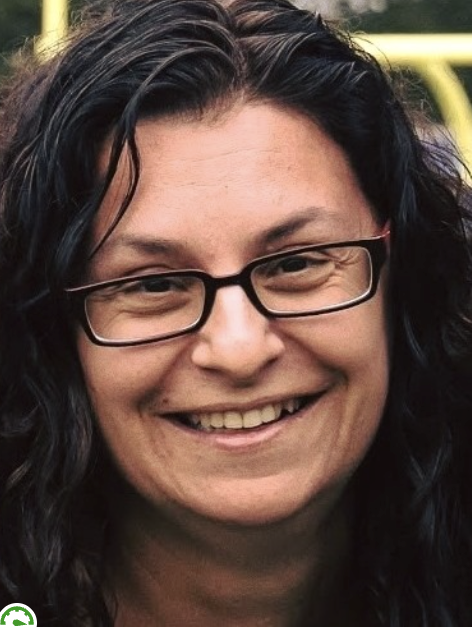
Anushka A. Karkelanova - STA 210: Introduction to Statistical Reasoning
STA 210 is a UK Core course with the goal of helping students develop or refine their statistical literacy skills. Throughout the course, the emphasis is on understanding what distinguishes good and bad inferential reasoning in the practical world around us. Statistical information can be eye watering and activities to create engagement between subject matter and learner is challenging. I tackled questions and ideas on how to keep the students involved in course information in online setting. Through activities with the Course Quality (CQ) Design Summer Academy, I prioritized three important standards for improving my course; two of which were implemented and tested during Fall ’25 with the goal of getting some feedback on the course design revisions and changes.
What I value most about the Course Quality Design Program is gaining the ability to examine my learning objectives, assessments, and activities to ensure they complemented each other. The time taken to ensure this alignment resulted in my students having a clear road map on how the course materials lends itself to a learning activities, the opportunity for the students to apply information to an assignment, and to give them confidence for the exam. I learned to view the course through the 'student’s perspective, allowing me to identify and fix instructional 'blind spots.' The professional collaboration with my assigned instructional designer and feedback I received were instrumental in elevating the overall quality of my work

Rasheed Flowers - KHP 686: Sport Managers Lab
My participation in the Course Quality Design Pilot helped me address redesign activities for KHP 686 to enhance the student learning experience. Areas for reform were identified through a self-review rubric and phased activities. Transformation of the course began with streamlining the course template, reorganizing content into cohesive modules, and establishing clear course and module-level objectives. Assignments were refined or newly created; collaborative tools like Lucid (Whiteboard) in Canvas were incorporated to boost group engagement. To help with the future redesign of KHP 686, a course improvement plan is in place to address key areas, with milestones like defined learning objectives and engaging assignments already in place. I was also made aware of other amazing resources the university offers like the Faculty Media Depot whose services I used to create media component to engage my students. The pilot gave me replicable techniques for course restructuring, tools for collaboration, and measurable outcomes in student engagement and learning clarity.

America Edwards - CIS 110: Composition and Communication I
Through the Course Quality (CQ) Design Pilot, I reimagined my approach to course structure and delivery. Using the self-review rubric and working closely with instructional designers and Canvas support, I developed a standardized, fully built Canvas shell that can be adapted across different teaching modalities (16-week face-to-face, 16-week online, and 8-week online). This not only streamlined preparation but also gave students a more navigable, consistent learning environment. The redesign emphasized clear and measurable learning objectives, more engaging instructional strategies—including video, visuals, and interactive tools—and strengthened feedback mechanisms for assessments, particularly in assignments that involve public speaking.

Adam Kho - EPE 558: Gathering, Analyzing, and Using Educational Data II
The Course Quality Design Program gave me something that is hard to find during a normal semester: dedicated time to step back and think intentionally about course design. Combined with structure and accountability, the program allowed me to move beyond routine adjustments and think more holistically about the overall student experience. Having protected time, resources, and dedicated support helped me better align learning outcomes with course content and assignments, explore new Canvas features, and implement more cohesive changes. The improvements I made influenced how I approached other courses as well, especially around organization and clarity in asynchronous environments. Student feedback reinforced that the effort mattered. One student wrote, “this is the best-organized asynchronous class I have taken, and I appreciate the forethought, flexibility, and backend work that went into it."
 View Upcoming Training & Events